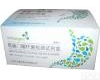
BD公共场所易染腮腺炎病毒快速诊断试剂盒
- 产地:进口
- 供应商:广州欧边生物制品有限公司
- 供应商报价:面议
- 标签:BD公共场所易染腮腺炎病毒快速诊断试剂盒,-1,广州欧边生物制品有限公司

| 品牌 | 其他品牌 | 供货周期 | 现货 |
|---|
BD公共场所易染腮腺炎病毒快速诊断试剂盒
广州健仑生物科技有限公司
广州健仑长期供应各种PCR试剂盒,主要代理进口和国产品Pai的流行病毒PCR检测试剂盒。例如:甲乙型流感病毒核酸检测试剂盒、黄热病毒核酸检测试剂盒、诺如病毒核酸检测试剂盒、登革病毒核酸检测试剂盒、基孔肯雅病毒核酸检测试剂盒、结核杆菌核酸病毒检测试剂盒、孢疹病毒核算检测试剂盒、西尼罗河病毒PCR检测试剂盒、呼吸道合胞病毒核酸检测试剂盒、冠状病毒PCR检测试剂盒等等。虫媒体染病系列、呼吸道病原体系列、发热伴出疹系列、消化道及食源感染系列。
产品规格:96T/盒
存储条件:4-8℃
我司同时还提供、美国FOCUS、西班牙DIA、美国trinity等知名品Pai试剂盒:
麻疹、风疹、甲流 、乙流、单疱疹1型、单疱疹2型、百日咳、百日咳毒素、腮腺炎、带状疱疹、单纯疱疹、HSV1型特异性、巨细胞-特异、风疹-特异、弓形虫-特异、棘球属、嗜肺军团菌、破伤风、蜱传脑炎、幽门螺旋杆菌、白色念珠菌、博氏疏螺旋体、细小病毒、钩端螺旋体、腺病毒、Q热柯克斯体、烟曲霉菌、埃可病毒、EB病毒、衣原体、耶尔森菌、空肠弯曲杆菌、炭疽杆菌、白喉、肠道病毒、柯萨奇病毒、肺炎衣原体、沙眼衣原体、土拉弗朗西斯菌、汉坦病毒、类风湿因子、呼吸道合胞病毒、单纯疱疹病毒质控品、巨细胞质控品、弓形虫质控品、风疹麻疹质控品、等试剂盒以。
欢迎咨询
欢迎咨询
BD公共场所易染腮腺炎病毒快速诊断试剂盒
我司还提供其它进口或国产试剂盒:登革热、疟疾、流感、A链球菌、合胞病毒、腮病毒、乙脑、寨卡、黄热病、基孔肯雅热、克锥虫病、违禁品滥用、肺炎球菌、军团菌、化妆品检测、食品安全检测等试剂盒以及日本生研细菌分型诊断血清、德国SiFin诊断血清、丹麦SSI诊断血清等产品。
欢迎咨询 欧
欢迎咨询

想了解更多的产品及服务请扫描下方二维码:

【公司名称】 广州健仑生物科技有限公司
【市场部】 欧
【】
【腾讯 】
【公司地址】 广州清华科技园创新基地番禺石楼镇创启路63号二期2幢101-103室

细菌菌是具有菌丝、以孢子进行繁殖、革兰氏染细菌阳性的一类原核微生物。因其具有分枝状菌丝、菌落形态与霉菌相似,过去曾认为细菌菌是"介于细菌与真菌之间的微生物"。然而,用近代生物学技术所进行的研究结果表明,细菌菌实际上是属于细菌范畴内的原核微生物,只不过其细胞形态为分枝状菌丝。从系统发育上看,细菌菌(除高温细菌菌外)与全部G+细菌一起同属于这一大分支中的高G+C/mol%群。原核生物(prokaryote)是以原核细胞构成的,均为单细胞生物,通常称为细菌(bacterium)。
根据外表特征,可把原核生物粗分为“三菌三体”6种类型,即细菌(狭义的)、细菌菌、蓝细菌、支原体、立克次氏体和衣原体。
细菌是在自然界分布Z广、个体数量Z多的有机体,是大自然物质循环的主要参与者。细菌主要由细胞壁、细胞膜、细胞质、核质体等部分组成,有的细菌还有荚膜、鞭毛、菌毛等特殊结构。绝大多数细菌的直径大小在0.5-5微米之间。可根据形状分成三类:球菌、杆菌和螺旋菌。蓝藻又称蓝细菌(cyanobacterium),能进行与高等植物类似的光合作用
(以水为电子供体,放出氧气),与光合细菌的光合作用的机制不一样,因此被认为是Z简单的植物。蓝藻没有叶绿体,但含有藻蓝素(呈蓝细菌,但含量少)和叶绿素(呈绿细菌并且含量多),是能够进行光合作用的自养生物。细菌中绝大多数种类是营腐生或者寄生生活的一种生物。蓝藻和细菌中,都没有成型的细胞核。蓝藻细胞遗传信息载体与其它原核细胞一样,是一个环状DNA分子,但遗传信息量很大,可与高等植物相比。因为蓝藻细胞的体积比其它原核细胞大得多,直径一般在10微米,甚至可达70微米(颤藻),所以肉眼不能看清蓝藻细胞。蓝藻属单细胞生物,有些蓝藻经常以丝状的细胞群体存在,如:属蓝藻门念珠藻类的发菜(nostoc commune var.flagtlliforme)就是蓝藻的丝状体;发菜生长在西北草地和荒漠,因为和“发财”谐音,所以被人争相食用,现已被我国列为保护生物;做绿肥的红萍实际上是一种固氮蓝藻与水生蕨类满江红的共生体。
Bacteria is a type of prokaryotic microorganisms that have mycelium, spore reproduction, Gram stain bacteria positive. Because of its branched mycelium, colony morphology and mold similar to bacterial bacteria in the past that is "between the bacteria and fungi between microorganisms." However, the results of modern biotechnology research indicate that bacterial bacteria are in fact prokaryotic microorganisms belonging to the category of bacteria, except that their cell morphology is branched mycelium. From the phylogenetic point of view, bacterial (except for high temperature bacteria) together with all G + bacteria belong to this large branch of the high G + C / mol% group. Prokaryotes are made of prokaryotes, all of which are unicellular organisms, commonly referred to as bacterium.
According to the appearance characteristics, prokaryotes can be roughly divided into six types of "three bacteria and three bodies", namely bacteria (narrow sense), bacteria, cyanobacteria, mycoplasma, rickettsia and chlamydia.
Bacteria is the most widely distributed organism in nature with the largest number of individuals and is a major player in the material circulation of nature. Bacteria mainly by the cell wall, cell membrane, cytoplasm, nuclear mass and other parts, and some bacteria also capsular, flagellum, pili and other special structures. The vast majority of bacteria in the diameter of 0.5-5 microns in size. According to the shape is divided into three categories: cocci, bacilli and spirochaetes. Cyanobacteria, also known as cyanobacterium, can perform similar photosynthesis to higher plants
(Water as an electron donor, release oxygen), and photosynthetic bacteria photosynthesis mechanism is not the same, it is considered the simplest plants. Cyanobacteria have no chloroplasts, but contain phycocyanin (cyanobacteria, but low in content) and chlorophyll (mostly in the form of green bacteria) and are autotrophic organisms capable of photosynthesis. The vast majority of bacteria are campanous or parasitic organisms. Cyanobacteria and bacteria, there is no molding of the nucleus. Cyanobacterial cytogenetic information carrier, like other prokaryotes, is a circular DNA molecule, but genetically informative, compared with higher plants. Because cyanobacteria cells are much larger than other prokaryotes in size and are typically 10 microns in diameter and even up to 70 microns in diameter (algae), cyanobacterial cells are not visible to the naked eye. Cyanobacteria are single-celled organisms. Some cyanobacteria often exist as filamentous cell populations. For example, nostoc commune var. Flatufferme is the filamentous body of cyanobacteria. The plants grow in the grasslands and deserts of the northwest, Because of the homophonic "fortune", it was contented for food, has now been listed as our country to protect biological; red duckweed green manure is actually a nitrogen-fixing cyanobacteria and aquatic fern Manjusri symbiont.

![[酶联免疫<em>试剂盒</em>] 猪ELISA<em>试剂盒</em> 猪瘟(CSF)ELISA<em>诊断试剂</em>盒](https://item.yiqi.com/pic/CovPic/1/20108411021175.jpg)